
NVIDIA Q2 FY 2027: AI Infrastructure Demand Extends Into FY 2028
Futurum Research analyzes NVIDIA’s Q2 FY 2027 earnings, focusing on AI infrastructure demand, Vera Rubin production, Blackwell Ultra momentum, and FY 2028 growth expectations.
Futurum has published 9 analyst insights and 5 research reports on NVIDIA since 2024, most recently August 31, 2026.
9 results
Futurum Research analyzes NVIDIA’s Q2 FY 2027 earnings, focusing on AI infrastructure demand, Vera Rubin production, Blackwell Ultra momentum, and FY 2028 growth expectations.
Nick Patience, VP & Practice Lead of AI Platforms at Futurum, shares his insights on NVIDIA’s reported $12.9 billion bid for Hugging Face and what it would mean for the future of open AI.

Fernando Montenegro, VP & Practice Lead at Futurum, shares his insights on how offensive AI succeeds because it’s easier to verify than defensive security, shifting the need for vendors to sell proof of exploitability over volume.
Brendan Burke, Research Director at Futurum, shares his insights on NVIDIA’s exclusive guarantee of OpenAI’s Ohio data center at PORTS-Pike and why credit support is becoming the competitive weapon no rival chipmaker can match.
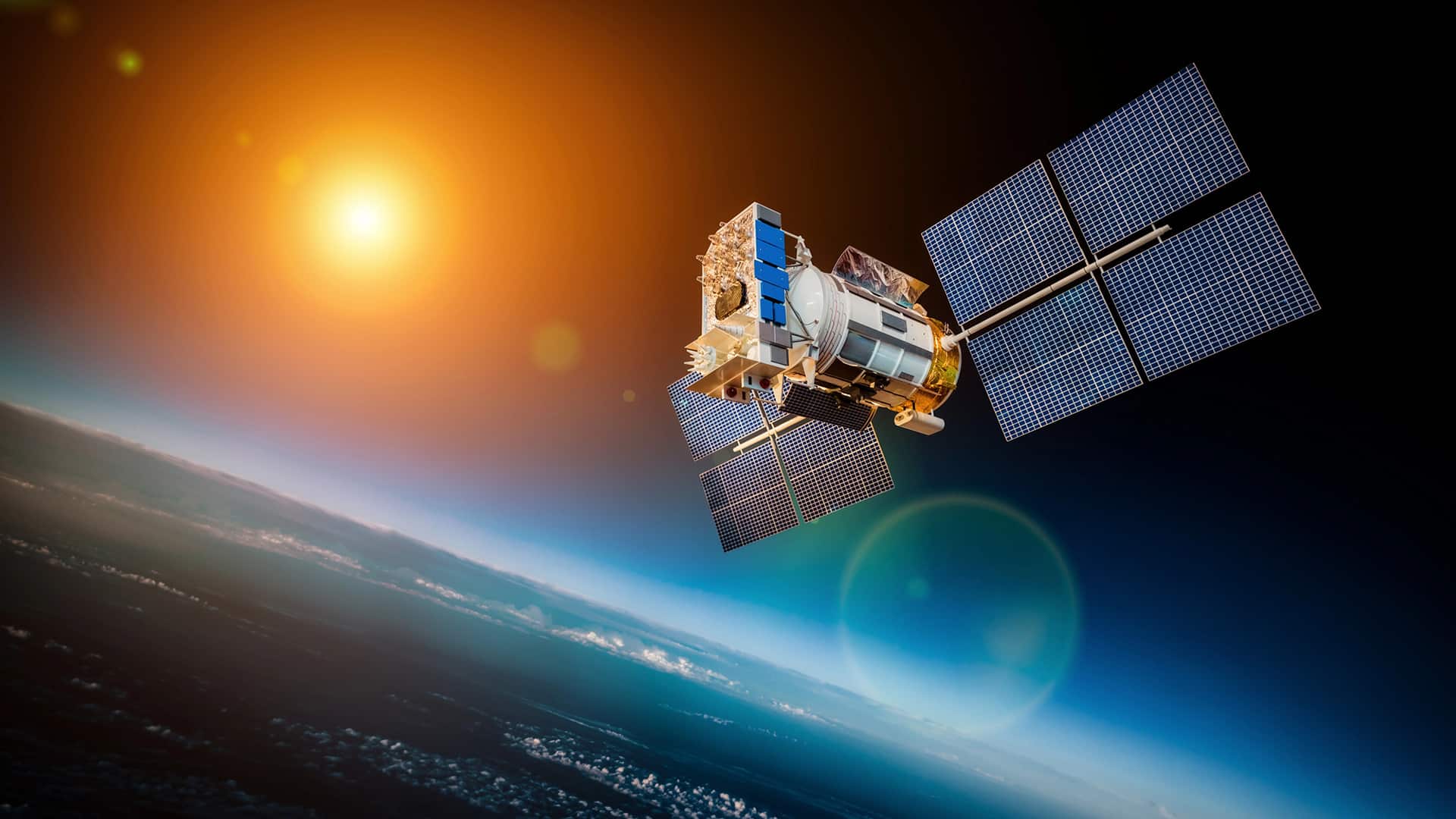
Futurum’s Brendan Burke on why a third of the $3 trillion AI data center buildout goes off-grid by 2030, and what launch, satellite hardware, and solar density must do before orbit competes on cost. From Above the Line with Shay Boloor.

Futurum’s AI Platforms practice examines NVIDIA Nemotron 3.5 Lightning and NeMo Switchyard.

Brendan Burke, Research Director at Futurum, shares his insights on NVIDIA’s $500 billion financing platforms and how DSX reference designs turn AI compute into collateral that banks, insurers, and pension funds can underwrite.

Brendan Burke, Research Director at Futurum, examines NVIDIA’s FMS 2026 storage push and whether openness extends NVIDIA’s platform control to the data path.
Brendan Burke, Research Director at Futurum, examines how NVIDIA and AMD are driving agentic chip design at DAC 2026 through collaborations with Synopsys, Cadence, and Siemens spanning models, physics libraries, runtimes, and CPUs.