Nokia’s Global Data Center Network Migration: From Legacy Complexity to Automated, Reliable Operations

Updated
In our latest report, Nokia’s Global Data Center Network Migration: From Legacy Complexity to Automated, Reliable Operations , completed in partnership with Nokia, Futurum Research details Nokia IT’s automation-first data center network migration and early production outcomes—including an…
Futurum's Mitch Ashley,
Cite this
Mitch Ashley, The Futurum Group, "Nokia’s Global Data Center Network Migration: From Legacy Complexity to Automated, Reliable Operations," March 3, 2026. https://preview.erikbethke.com/research-reports/nokias-global-data-center-network-migration-from-legacy-complexity-to-automated-reliable-operations/
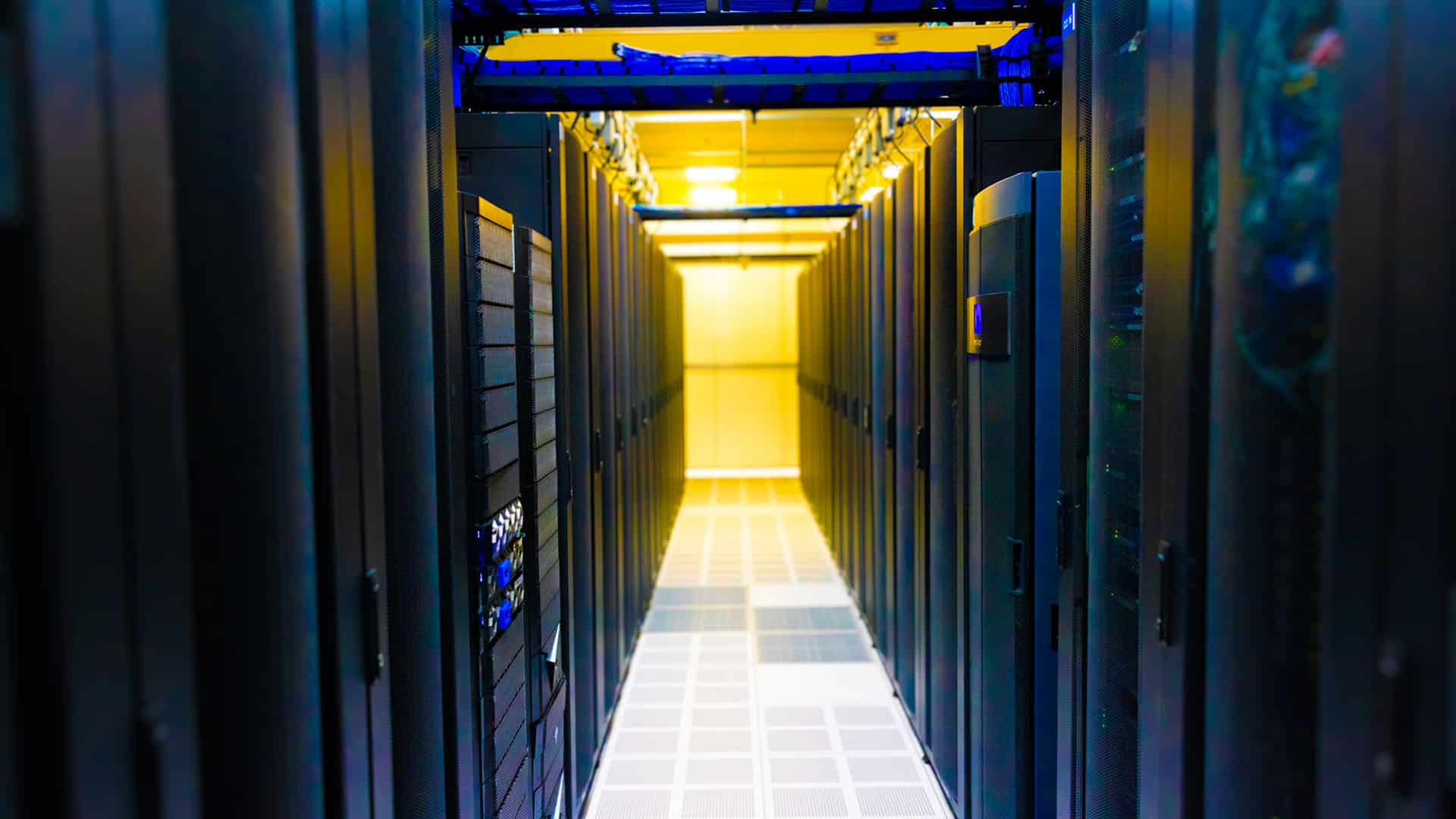
Enterprise data centers rarely stay “clean” over time—growth, acquisitions, and shifting priorities tend to leave IT teams managing a patchwork of platforms, tools, and operational models. For Nokia IT, that legacy complexity translated into a heterogeneous network estate that was difficult to operate and, at times, prone to lengthy outages that impacted mission-critical workloads.
To regain reliability and operational control, Nokia IT moved toward a modern, automation-first fabric approach—prioritizing simplified operations, a “network as code” mindset, and predictable, testable changes using digital-twin validation. The objective was not just modernization, but a repeatable operating model that could scale globally across data centers and workloads.
In our latest report, Nokia’s Global Data Center Network Migration: From Legacy Complexity to Automated, Reliable Operations, completed in partnership with Nokia, Futurum Research examines Nokia IT’s brownfield migration approach and early production outcomes—consolidating onto a data center fabric built on Nokia switches, the SR Linux network operating system, and the Event-Driven Automation (EDA) platform. The initial deployments delivered measurable results, including an approximate 80% reduction in network-related incidents, validating both the architecture and phased execution model.
In this report, you will learn:
- What drove Nokia IT’s transformation, including the operational risks of multi-vendor complexity and long outages
- The modernization principles Nokia used to guide design choices (simplicity, automation-first operations, global consistency)
- How digital-twin validation helps reduce “blast radius” uncertainty and enables safer, more predictable change management
- What Nokia learned from a phased, parallel-fabric migration approach—up to and including zero unplanned outages caused by the new network during migration
- The early operational outcomes and why they matter (incident reduction, fewer chronic disruptions, and more confident continuous changes)
If you are interested in learning more, be sure to download your copy of Nokia’s Global Data Center Network Migration: From Legacy Complexity to Automated, Reliable Operations today.
Published by Futurum.
More from Mitch Ashley
Okta Q2 FY 2027 Earnings Beat and Raise on Core Identity Strength
Mitch Ashley, VP and Practice Lead, CIO & Technology Buyers at The Futurum Group, reviews Okta’s Q2 FY 2027 earnings, where core identity strength and new products drove a beat and raise while agentic identity stayed an early, forward-looking driver.
AI Implementation Is the New Account Control Point
Mitch Ashley, VP & Practice Lead at Futurum, shares insights on how AI implementation is the new account control point. Read more on how hyperscalers are reorganizing to capture distributed AI buying authority in 2026.
A Loud Floor and a Quiet Gap: Security Summer Camp 2026
Fernando Montenegro and Mitch Ashley of Futurum unpack Black Hat and DEF CON 2026: an agentic-AI wave on every booth, a record funding surge, a widening capability gap, and what a board will actually fund.