
Wayve and Uber Put British AI on London’s Roads
Wayve and Uber launched the UK’s first supervised autonomous ride-hailing service in London on September 3, 2026, with over 140,000 riders opted in, validating Wayve’s AI-native architecture.
Research notes and analysis from the Futurum practice areas.
13 results
Wayve and Uber launched the UK’s first supervised autonomous ride-hailing service in London on September 3, 2026, with over 140,000 riders opted in, validating Wayve’s AI-native architecture.
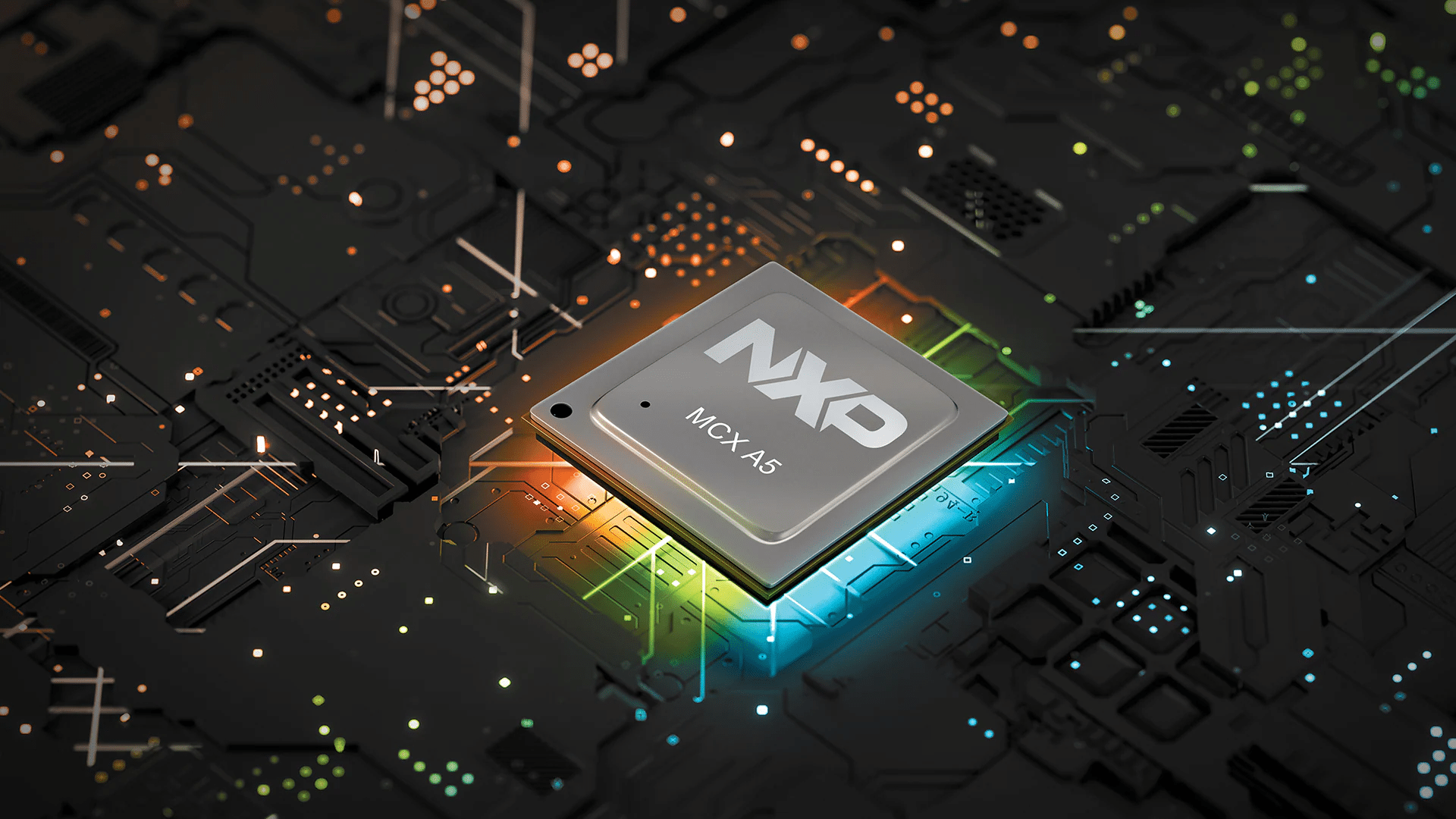
Brendan Burke and Olivier Blanchard, Research Directors at Futurum, share their insights on why NXP’s MCX A5, the first MCU to combine a 10BASE-T1S digital PHY, topology discovery, and post-quantum cryptography, gives industrial defenders a head start on agentic attacks.

Wayve appoints Apple’s Alex Toshev as Research Director to lead general robotics intelligence team, marking strategic expansion from autonomous driving into broader Physical AI applications across robot manipulation and mobility.

Google’s Pixel 11 series features the Tensor G6 chip, delivering advanced AI and enhanced photography. Starting at $899, these devices redefine smartphones through personalized AI and superior camera performance.
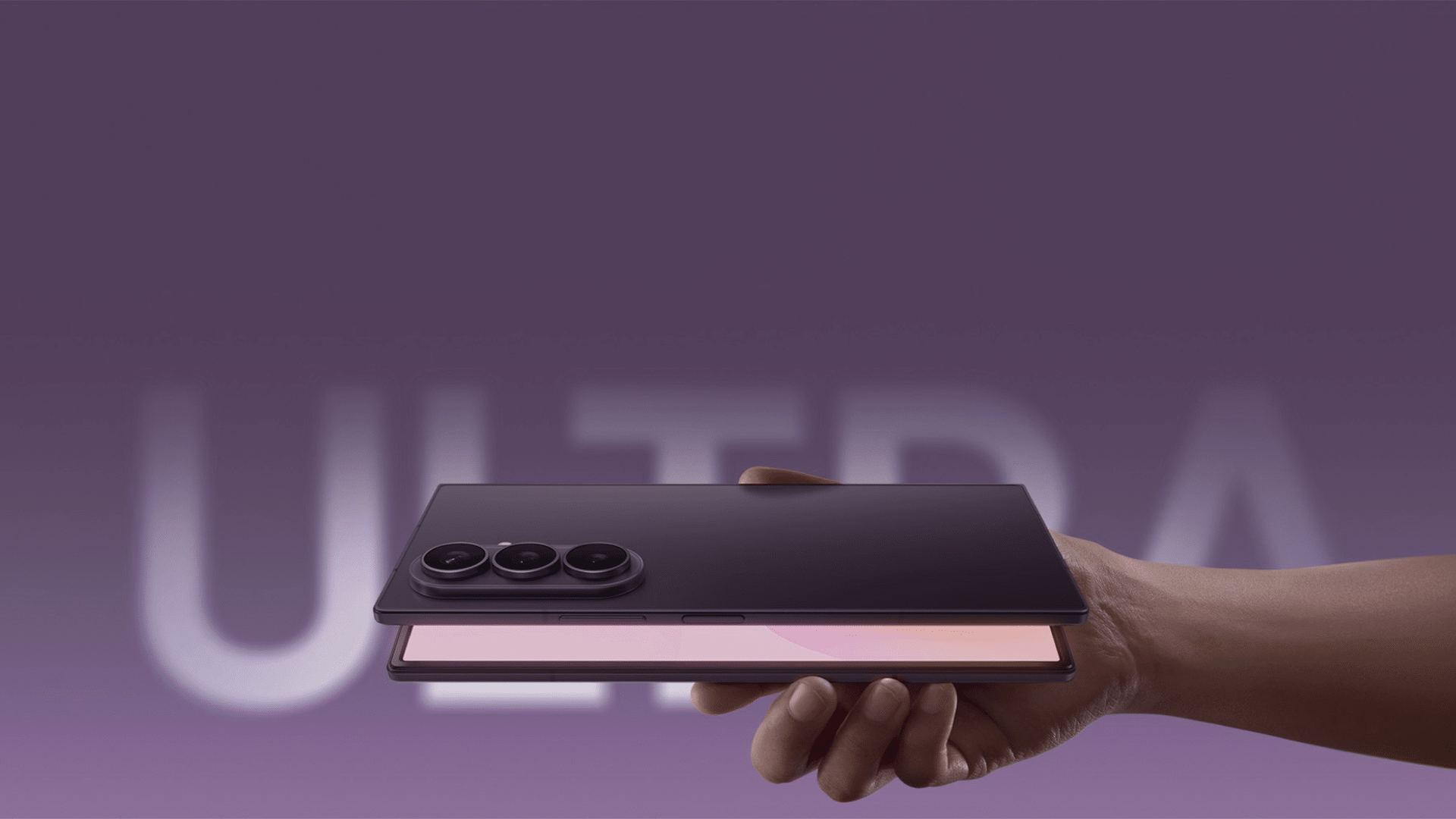
Olivier Blanchard, Research Director at The Futurum Group shares insights on whether Samsung Flex Titanium can reduce crease visibility without creating new foldable compromises.

Brendan Burke, Research Director at Futurum, shares his insights on 100 days that put Blaize, CoreWeave, NVIDIA, Nokia, Firmus, and Indosat on Indonesia’s sovereign AI map, and the generation-plus-distribution model that can expand globally.

NXP’s 500,000-square-foot Malaysia expansion doubles internal test capacity, enabling DDR memory validation that differentiates i.MX processors and protects margins in the competitive edge AI market.

Nick Patience, VP and Practice Lead, AI Platforms at Futurum, examines Meta’s return to open weights with Muse Glimmer and what Mark Zuckerberg’s superintelligence letter reveals about the company’s real distribution strategy.

Transport for London grants vehicle licences to Wayve and Uber, marking a pivotal regulatory milestone for autonomous AI in public urban streets. Early rider access planned for summer 2026 as enterprise demand for autonomous operations accelerates.
Thales’s selection to design uncrewed vessels for the Royal Netherlands Navy underscores OT/ICS security as defense’s greatest challenge, with quantum-safe cryptography now standard.

UNICOM Engineering and Fourier deploy 600+ megawatts of modular liquid-cooled AI infrastructure as the intelligent devices market surges from $7.1B to $123.6B by 2030.

Wayve, Uber, and Nissan’s partnership unites AI software, vehicle manufacturing, and ride-hailing to accelerate robotaxi deployment as enterprise demand for autonomous operations surges.

Forescout’s research reveals critical vulnerabilities in TP-Link routers through Zero Touch Provisioning, exposing dangerous gaps between automated device management and enterprise security that demand immediate attention.