HPE Q3 FY 2026: AI Infrastructure Demand Strengthens Outlook
Futurum Research analyzes HPE’s Q3 FY 2026 earnings, focusing on AI server demand, networking growth, supply constraints, and FY 2027 positioning.
Research notes and analysis from the Futurum practice areas.
62 results · page 1 of 4
Futurum Research analyzes HPE’s Q3 FY 2026 earnings, focusing on AI server demand, networking growth, supply constraints, and FY 2027 positioning.

Futurum Research analyzes Broadcom’s Q3 FY 2026 earnings, focusing on AI custom silicon demand, networking growth, and Q4 FY 2026 guidance.

Thales and Kalyani Strategic Systems Limited’s September 2026 alliance signals durable sovereign-security commitment to government and defence buyers, combining indigenous 70-mm rocket production with cyber-physical threat convergence capabilities.

Futurum Research at The Futurum Group analyzes Marvell’s Q2 FY 2027 earnings, focusing on AI infrastructure demand, data center growth, custom silicon, and FY 2027 guidance.
Rapidus’ IIM-1 fab completes construction in Chitose, leveraging Cadence Innostack AI Super Agent for its Raads platform and IBM 2nm transistor IP to compete with TSMC, Intel, and Samsung in inference accelerator production.
Futurum Research analyzes Synopsys’ Q3 FY 2026 earnings, focusing on AI-driven EDA demand, Ansys integration, and FY 2027 monetization priorities.
Futurum Research analyzes HP’s Q3 FY 2026 earnings, focusing on PC mix, AI PC demand, memory cost pressure, and guidance.

Futurum Research analyzes NVIDIA’s Q2 FY 2027 earnings, focusing on AI infrastructure demand, Vera Rubin production, Blackwell Ultra momentum, and FY 2028 growth expectations.
Brendan Burke, Research Director at Futurum, shares his insights on SiFive’s BigSky, the first enterprise-grade RISC-V server, and why CUDA head node duty for NVIDIA GPUs is the socket that matters.

Nick Patience, VP & Practice Lead of AI Platforms at Futurum, shares his insights on NVIDIA’s reported $12.9 billion bid for Hugging Face and what it would mean for the future of open AI.
Brendan Burke, Research Director at Futurum, analyzes QumulusAI’s Q2 FY 2026 earnings, focusing on direct AI compute demand, GPU fleet expansion, and capacity execution.
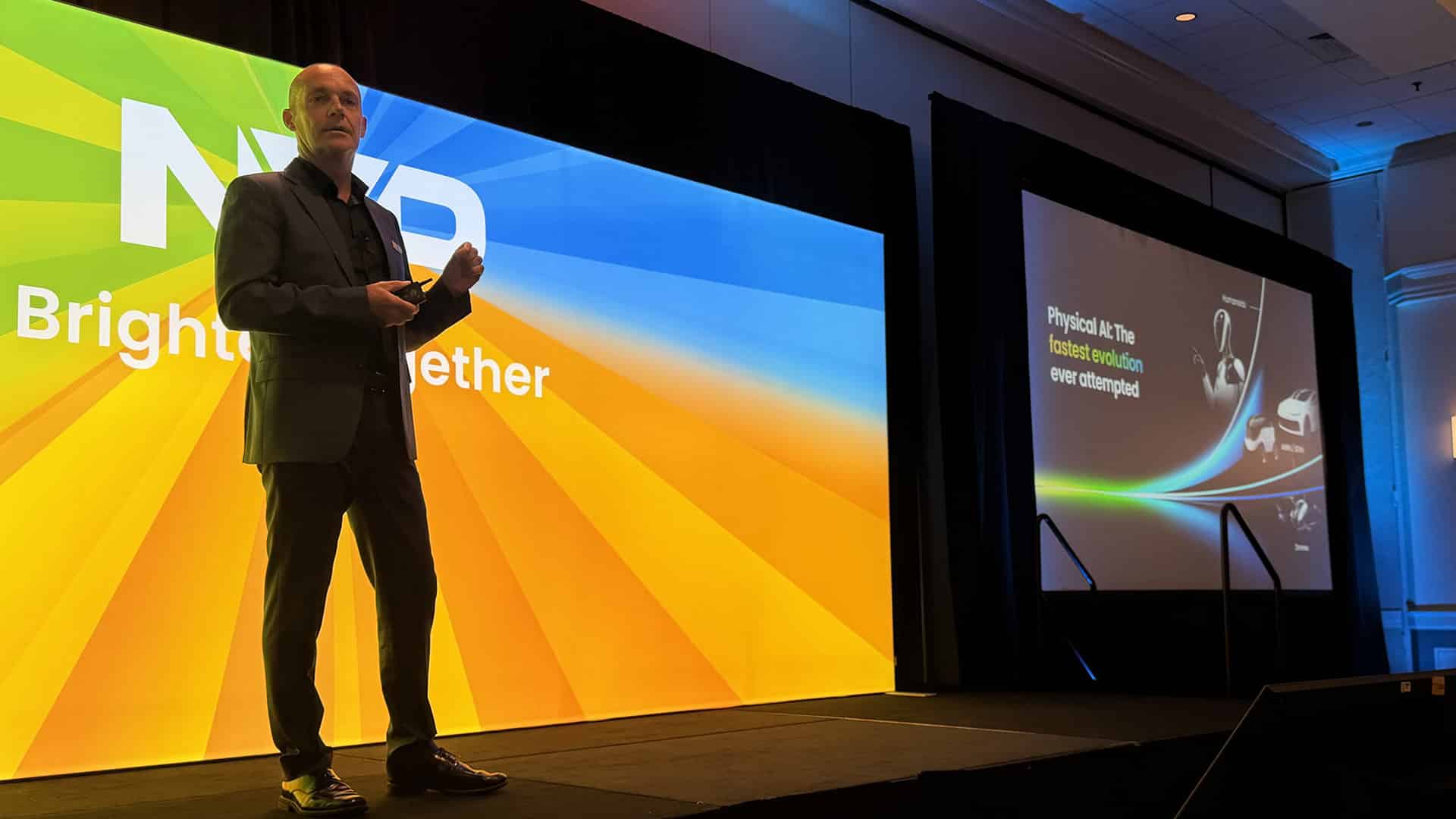
Brendan Burke and Olivier Blanchard, Research Directors at Futurum, share their insights from NXP Tech Days Silicon Valley, where reference designs from humanoid hands to a four-board MCX A5 networking demo gave NXP’s neural axis architecture production weight.

Thales Alenia Space’s MTG-I2 satellite completes the Meteosat Third Generation constellation, positioning Thales as a critical infrastructure security provider for European meteorological data in the expanding cybersecurity market.

PyTorch Conference North America 2026 showcases the framework’s evolution into production-grade infrastructure, addressing enterprise deployment gaps as the AI platforms market reaches $181.3B.
Brendan Burke, Research Director at Futurum, reviews Analog Devices’ Q3 FY 2026 earnings, the first $4 billion quarter, and the data center and industrial demand behind it.

Brendan Burke, Research Director at Futurum, shares his insights on Micron Research Labs, the $10 billion Boise hub, and whether ecosystem research can offset Samsung and SK hynix R&D budgets that run larger.

DigiCert’s third annual World Quantum Readiness Day on September 17, 2026, marks a strategic shift from quantum awareness to active post-quantum cryptography deployment, addressing enterprises’ top challenge: cryptographic agility.

FPT hosted Toyota Tsusho Vietnam leadership to explore chip distribution and OSAT services across Southeast Asia, positioning itself as a hardware-software integration hub in the region’s semiconductor supply chain realignment.

Brendan Burke, Research Director at Futurum, shares his insights on the Cerebras CS-4 launch and why power delivery and networking now decide whether wafer scale can serve trillion parameter models at scale.
Brendan Burke, Research Director at Futurum, shares his insights on NVIDIA’s exclusive guarantee of OpenAI’s Ohio data center at PORTS-Pike and why credit support is becoming the competitive weapon no rival chipmaker can match.